
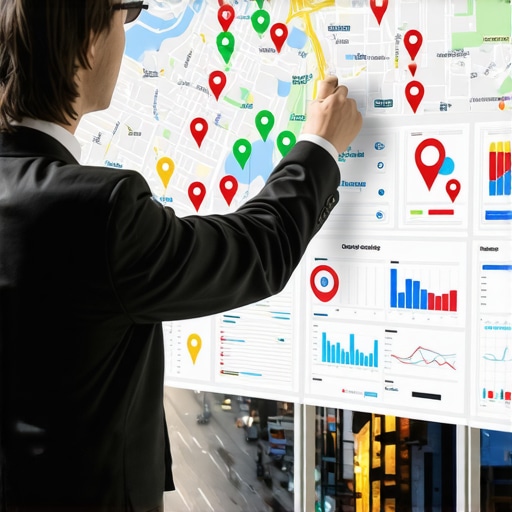
Ever had that sinking feeling when you check your Google Maps listing and see your competitors ahead of you? I remember spending weeks trying to crack the local SEO code, only to realize I was missing the most basic but crucial tactics. That moment of frustration? It was a lightbulb. I finally understood that local visibility isn’t just about having a listing; it’s about actively optimizing it with proven strategies. If you’re tired of being buried in the local pack, don’t worry—today, I’ll share the exact tips that helped me turn things around and can do the same for you.
Why Local SEO is a Game Changer in 2024
Let’s be honest. The local search landscape is more competitive than ever. With the rise of mobile searches and ‘near me’ queries, businesses that ignore local SEO risk being invisible to potential customers right in their neighborhood. According to recent studies, 78% of local mobile searches result in an offline purchase—meaning if your Google Maps listing isn’t optimized, you’re missing out on a huge chunk of local sales. That’s why sharpening your local SEO skills is no longer optional; it’s essential. The good news? With a few smart moves, you can stand out and capture those nearby customers looking for what you offer.
Have you faced the frustration of seeing competitors outrank you on Google Maps?
Early in my journey, I made a rookie mistake—ignoring the importance of consistent NAP (Name, Address, Phone number) data across all platforms. Turns out, Google’s algorithm hates discrepancies, and it can tank your local rankings. That experience taught me that the foundation of local SEO is reliability and consistency. Once I fixed that, I saw my visibility grow significantly. If you’re serious about dominating local search, check out some of the cornerstone strategies I’ve learned, like optimizing your Google Business Profile and leveraging local maps advertising tactics. For a comprehensive approach, I recommend exploring top local SEO marketing strategies.
Ready to dive into the practical steps? Let’s get started on turning your Google Maps listing into a local magnet.
Optimize Your Google Business Profile for Maximum Impact
Think of your Google Business Profile as your digital storefront. Start by claiming and verifying your listing if you haven’t already. Ensure all information is accurate and consistent across every platform—name, address, and phone number (NAP). Use high-quality images that showcase your business; this visual appeal can significantly increase clicks. Regularly update your hours, add new photos, and respond to reviews to show engagement and reliability. For advanced tips, explore this comprehensive guide.
Leverage Local Keywords and Content
Keywords are the backbone of SEO. Conduct local keyword research with tools like Google Keyword Planner or SEMrush to identify terms your customers search for. Incorporate these keywords naturally into your website content, service descriptions, and FAQs. Creating localized blog posts or landing pages targeting specific neighborhoods or landmarks can also boost relevance. Remember, Google loves fresh, relevant content, so stay active with updates. For more detailed keyword strategies, check this resource.
Build and Manage Local Citations
Consistency is king when it comes to citations—mentions of your business name, address, and phone number across the web. Start with local directories like Yelp, Bing Places, and industry-specific sites. Ensure your NAP details match exactly on all listings; even minor discrepancies can harm your rankings. Use tools like Moz Local or BrightLocal to audit and manage citations efficiently. Think of citations as digital word-of-mouth endorsements; the more quality ones you have, the more trustworthy your business appears to Google. For expert citation building tactics, visit this guide.
Gather and Respond to Reviews Actively
Customer reviews are social proof and influence local rankings. Encourage satisfied clients to leave positive feedback by sending follow-up emails or offering incentives. Respond promptly and professionally to all reviews, thanking positive reviewers and addressing negative feedback with solutions. This interaction builds trust and shows Google that your business values customer satisfaction. Remember, reviews also impact your click-through rates—more positive reviews can make your listing stand out. For tips on managing reviews effectively, see this article.
Engage with Local Maps Advertising
Paid advertising on Google Maps can give you an immediate visibility boost. Use location-specific ad campaigns to target nearby customers actively searching for your services. Focus on keywords, geo-targeting, and compelling call-to-actions. Regularly monitor and optimize your campaigns based on performance metrics. Think of Maps advertising as your business’s billboard right where your customers are looking. For detailed strategies, explore this proven approach.
Maintain Consistency and Monitor Results
Finally, consistency across all channels and regular monitoring are crucial. Use tools like Google Analytics and Google Search Console to track your local traffic and rankings. Adjust your strategies based on what works—whether it’s refining keywords, updating your profile, or tweaking ad campaigns. Think of your local SEO efforts as a garden; regular care and adjustments yield the best results. Keep testing different tactics and learn from your analytics to stay ahead in 2024.
Many businesses believe they understand the essentials of local SEO, but some widespread myths can actually hinder your progress. Let’s dig deeper into what most people get wrong about local SEO and how these misconceptions might be costing you valuable leads. As someone who has navigated the complexities of local search strategies, I can tell you that avoiding these pitfalls is crucial to gaining an edge in 2024.
Myth: More Keywords Mean Better Rankings
It’s tempting to stuff your website and Google Business Profile with as many local keywords as possible, but this approach often backfires. Google’s algorithm is sophisticated enough to recognize keyword stuffing and may penalize your listing, reducing your visibility instead of boosting it. Instead, focus on integrating high-quality, relevant keywords naturally into your content. Conduct thorough keyword research, perhaps with tools like SEMrush, and prioritize user intent over sheer volume. For advanced local SEO, combining keyword strategies with engaging content can significantly improve your local pack rankings. For example, creating localized blog posts targeting specific neighborhoods or landmarks can boost relevance and authority. Learn more about this approach in this guide.
Why do many overlook the importance of NAP consistency across platforms?
One of the most overlooked nuances is the consistency of your business Name, Address, and Phone number (NAP) across all online citations. Inconsistent information confuses Google and can severely damage your local rankings. Many think that having a single accurate listing is enough; in reality, maintaining uniform NAP details everywhere—from your website to directories like Yelp—is essential. This consistency not only improves your search presence but also builds trust with Google and potential customers. To manage citations effectively, consider tools like Moz Local or BrightLocal for audits and updates. Stay vigilant, and your local visibility will thank you. For a deep dive into citation strategies, check this resource.
Misconception: Reviews Are Just Social Proof
Customer reviews are often dismissed as mere social proof, but they are a powerful ranking factor as well. Negative reviews can hurt your reputation, but actively managing reviews—by encouraging happy clients to share their experiences and responding professionally—can propel your local SEO efforts. Google favors listings with high review counts and positive feedback, which enhances credibility and click-through rates. However, some businesses mistakenly think that reviews are a one-and-done task. In reality, review management should be ongoing, with strategic responses that demonstrate your commitment to customer satisfaction. For advanced tactics, integrating review signals with your overall local SEO strategy can drive measurable results. For more insights, explore this article.
What about paid ads? Are they a shortcut?
Many believe that investing in Google Maps advertising or local PPC campaigns is a shortcut to visibility, but this is a myth. Paid ads can give you an immediate boost, but without proper organic optimization, your long-term presence remains vulnerable. The real benefit comes from combining paid strategies with solid local SEO fundamentals—optimized profiles, accurate citations, relevant content, and review management. Think of paid ads as amplifiers rather than substitutes. If you neglect the organic foundation, your paid efforts will be less effective and more costly. For proven strategies on Maps advertising, see this guide.
Have you ever fallen into this trap? Let me know in the comments. Avoiding these common misconceptions can set you apart from competitors and ensure your local SEO efforts truly pay off in 2024.
How do I keep my local SEO efforts sustainable over time?
Maintaining your local SEO rankings is an ongoing process that requires the right tools and disciplined strategies. As search engine algorithms evolve, staying ahead means leveraging technology to monitor, analyze, and adjust your tactics. One of my go-to tools is BrightLocal. I personally rely on it for regular citation audits because it helps me identify inconsistencies in NAP data across directories, ensuring my listings remain accurate and authoritative. This consistency is vital, as Google places a premium on reliable information, which directly impacts your rankings.
Another indispensable tool is Google Search Console. I use it daily to track how my site performs in local search queries, identify potential issues, and see which keywords are driving traffic. It’s like having a direct line to Google’s insights about your website. By reviewing these reports monthly, I can fine-tune my keyword strategy and ensure my content stays relevant.
For content updates and to keep my site fresh, I turn to SEMrush. Its local keyword tracking and competitive analysis features allow me to spot emerging trends and adapt my content accordingly. I also set up alerts for new reviews or mentions of my business, so I can respond promptly—this keeps my reputation solid and signals to Google that I’m active and engaged.
Looking ahead, I believe AI-driven analytics will become even more integral to local SEO. Tools that can interpret user intent and predict trends will save time and improve decision-making. For now, combining these tools with a consistent review management process is my recommended approach. If you want to stay competitive, I encourage you to try integrating BrightLocal for citation consistency, Google Search Console for performance tracking, and SEMrush for keyword insights. Regularly reviewing your data and making small adjustments can keep your local rankings stable and even improve over the long haul.
Remember, successful local SEO isn’t a set-it-and-forget-it task. It’s a continuous journey. By using the right tools and maintaining a disciplined approach, you’ll be well-equipped to keep your visibility high and attract local customers consistently.
The Hardest Lesson I Learned About Local SEO
One of the biggest mistakes I made early on was neglecting the power of consistent NAP data. I thought having a single correct listing was enough, but I soon realized that discrepancies across directories hurt my rankings more than I expected. This taught me that accuracy and uniformity across all platforms are essential for local search success.
How I Discovered the True Value of Reviews
Initially, I saw reviews as just social proof. However, I learned that actively managing and responding to reviews can significantly boost your local rankings. Engaging with your customers’ feedback shows Google and potential clients that your business values trust and transparency, which can be a game-changer for local visibility.
The Unexpected Impact of Local Content
Creating localized blog posts and landing pages targeting specific neighborhoods or landmarks turned out to be one of my most effective strategies. This not only improved relevance but also helped Google associate my business with the local area, driving more organic traffic and leads.
Where to Go from Here
For anyone serious about local SEO, I highly recommend exploring top local SEO marketing strategies. Staying updated with the latest tactics and continuously optimizing your Google Business Profile and citations can keep you ahead in 2024 and beyond.


Leave a Reply