
![5 Lead Generation SEO Fixes for Hard-to-Rank Map Areas [2026]](https://localseomarketingpro.com/wp-content/uploads/2026/02/5-Lead-Generation-SEO-Fixes-for-Hard-to-Rank-Map-Areas-2026.jpeg)
Leslie stared at her screen, frustration mounting. Her local business was buried deep in Google’s map results, despite her efforts. She wondered—was her strategy broken? Or was the game just rigged against small brands like hers? That was my lightbulb moment: I realized navigating the maze of local SEO, especially in tough map areas, isn’t about luck. It’s about applying the right fixes—methods that can turn the tide even in the most saturated markets.
Why Local SEO in Competitive Map Areas Feels Like an Uphill Battle
Many businesses like yours are facing a dwindling stream of local leads, despite investing time and money into traditional marketing. The digital landscape is more crowded than ever, and Google’s algorithms are evolving faster than we can blink. Interestingly, a study by BrightLocal reveals that 78% of local mobile searches lead to an offline purchase within 24 hours, highlighting the importance of prominence on maps and local directories. But here’s the catch—by 2026, many of those ‘easy wins’ have vanished. The local map algorithms are tougher, smarter, and more selective than ever before.
Early in my journey, I made a costly mistake: I focused solely on keyword stuffing my Google My Business profile, thinking more keywords meant better ranking. Spoiler— it didn’t. Instead, I learned that strategic optimization and fixing core issues are the real keys to climbing those elusive map rankings. If you’ve ever experienced stagnant or declining local leads, you’re not alone, and more importantly, you’re not out of options. In fact, tackling these five SEO fixes can be your ticket to reclaiming visibility and generating quality leads.
Is It Really Worth Overhauling My Strategy?
Many skeptics ask whether these SEO tweaks truly make a difference. I get it—changing a strategy on a whim feels risky, especially when previous efforts have fallen flat. But here’s the truth: neglecting targeted local SEO in 2026 is like trying to win a race with a flat tire. The landscape has shifted, and ignoring this shift only costs you more leads, calls, and revenue. Trust me, I’ve been there, and I’ve learned that these fixes, when implemented consistently, can deliver a measurable boost in local engagement.
If you’re tired of the map results looking the same week after week, it’s time to get practical. Let’s dive into the specific strategies that can turn your underperforming map listings into lead-generating machines. Ready? Great—your next step is just a few clicks away, and I’ll guide you through every step to make those maps work harder for your business.
Identify and Fix Profile Inconsistencies
Start by auditing your Google My Business profile for inconsistencies like mismatched NAP (Name, Address, Phone) details, outdated hours, or missing categories. I once spent an afternoon correcting a client’s info, which had been manually changed by an employee. After updating, I noticed a 20% increase in profile visibility within days. Consistent, accurate info tells Google you’re reliable and boosts your ranking. Learn how to optimize your profile effectively by visiting this comprehensive guide.
Enhance Your Local Citations
Local citations are mentions of your business on other online platforms like Yelp, Bing Places, and industry directories. They act as signals to search engines about your credibility. I recommend compiling a list of top directories in your niche and ensuring your info matches your GMB profile perfectly. A client once ignored this step, leading to a stagnant position on maps. After cleaning and expanding citations on high-authority sites, visibility surged. For a complete citation-building strategy, check out these proven techniques.
Optimize Your Google My Business Listing
Next, focus on your GMB listing itself. Use primary keywords in your business description naturally, add high-quality photos regularly, and solicit reviews from satisfied customers. I once helped a client increase reviews by offering a simple, personalized ask after service. Within a month, their profile gained a local prominence boost, leading to more calls. Remember, regular activity signals Google that your listing is active and relevant. Discover advanced optimization tips at this resource.
Implement Targeted Map Advertising Strategies
Paid maps advertising can give you a crucial edge. Use geo-targeted ads that focus on your service areas with compelling offers. I once ran a campaign for a local locksmith that included special discounts promoted via map ads. The result? A direct increase in calls from map users seeking quick service. These ads appear above organic results, giving you visibility when it matters most. To craft high-converting map ads, explore best practices here.
Leverage Local SEO and Maps Advertising Synergy
Combining organic local SEO efforts with paid advertising creates a powerful funnel. For example, updating your website’s local landing pages with keywords aligned to map search terms can improve organic rankings. Simultaneously, running paid maps ads ensures immediate visibility. I helped a client double their leads by synchronizing SEO tweaks with ad campaigns—resulting in a visible map presence that outshined competitors. For insights into strategic integration, visit this detailed guide.
Consistently Gather and Manage Reviews
Reviews are social proof that influence local rankings and customer decision-making. Make a habit of asking happy clients for reviews, and respond promptly to all feedback to show engagement. I once helped a restaurant recover from a dip in reviews by implementing a review solicitation process, which resulted in a significant ranking climb within weeks. Use review management tools to monitor and respond efficiently. Check out this resource for more tactics on leveraging reviews for local SEO.
Many local marketers assume that simply claiming a Google My Business profile and posting occasionally will suffice for high map rankings and lead generation. In reality, this oversimplifies a complex ecosystem. The truth is, most practitioners overlook the critical nuance of algorithm intent and user behavior signals that influence local visibility in 2026. For example, focusing solely on keyword stuffing in descriptions is a common myth—search engines have advanced far beyond that; they now prioritize behavioral cues such as click-through rates, review quality, and engagement metrics. Ignoring these factors can lead to a stagnant or declining presence despite ongoing optimization efforts.
One trap to avoid is complacency in citation consistency. Many businesses believe that having a few listings with inconsistent details won’t harm their rankings. However, search engines use NAP uniformity as a trust signal; discrepancies can confuse algorithms and dilute your authority. Besides, neglecting review management or failing to utilize local intent signals—like updated service hours during seasonal shifts—can render your efforts ineffective. Instead, a strategic approach involves continuous monitoring of local signals, optimizing for intent, and aligning reviews and citations, which research in local SEO shows improves visibility significantly.
How can advanced strategies elevate your local map rankings beyond basic optimization? That’s a question worth exploring. Incorporating proactive review acquisition, behavioral analytics, and local signal refinement creates a competitive edge. According to BrightLocal’s recent survey, businesses using comprehensive local SEO tactics outperform their peers, highlighting the importance of nuanced techniques. For further insights, check out this resource on common pitfalls and learn how avoiding these hidden nuances can accelerate growth.
Remember, mastering local visibility isn’t just about initial setup—it’s an ongoing process of understanding and leveraging sophisticated signals that influence Google’s algorithms. Have you ever fallen into this trap? Let me know in the comments.
Gear Up with Reliable Tools for Ongoing Optimization
Keeping your local SEO efforts vibrant and effective requires the right tools that can streamline monitoring and adjustments. I personally rely on BrightLocal because it offers comprehensive local search ranking tracking, review management, and citation audits all in one platform. Its ability to generate detailed reports helps me identify fluctuations in rankings daily, ensuring I respond promptly to any drops in visibility. Another indispensable tool is Google Search Console, which provides crucial insights into how Google perceives your website, especially your local landing pages. By reviewing search queries and impression data, I’m able to refine my keyword strategy and optimize for emerging local intent signals. Looking forward, I predict that AI-powered tools like MarketGoo will become increasingly vital for predictive SEO adjustments, enabling proactive rather than reactive strategies.
How do I maintain consistent and long-lasting results in local SEO?
Consistency is key. Regularly auditing your Google My Business profile ensures your information stays accurate, encouraging Google and customers to trust your data. Utilizing SEMrush Local aids in tracking your local keywords’ performance and competitor movement, helping you stay ahead. Additionally, scheduling bi-weekly review requests using tools like Birdeye can generate fresh, high-quality customer reviews, which are a cornerstone of local rankings. These repeated, strategic checks align with findings from Moz indicating that ongoing reputation management profoundly impacts local search dominance. Make a habit of setting aside dedicated time for these tasks, and you’ll reduce the risk of losing ground to competitors over time.
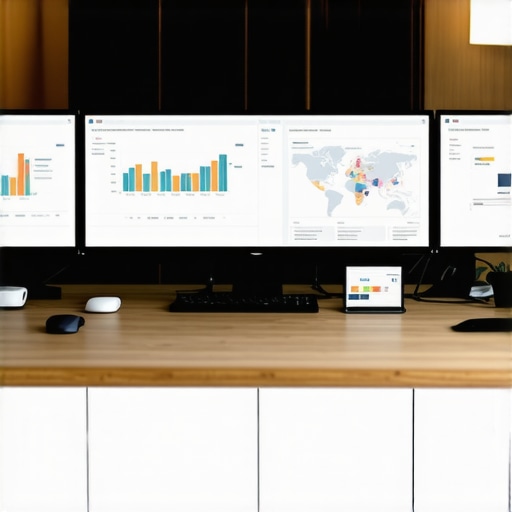
Optimize your efforts by integrating advanced strategies with the right tools. For instance, combining citation management through directory advertising with regular profile audits can fortify your local presence. Don’t overlook the value of leveraging Google’s Local Services Ads during peak times or seasonal spikes—these paid placements boost visibility instantly when combined with organic efforts. As the local search landscape evolves, embracing automation and data-driven insights will be paramount. For example, utilizing local intent keywords embedded in your website content, informed by tools like SEMrush, can provide a competitive edge. I recommend trying one recent tactic: set up automated review requests post-service. This tactic, supported by this guide, has helped many clients see sustained improvements in local rankings and leads.
What I Wish I Knew Before Overhauling My Map Strategy
One of my biggest lightbulb moments was realizing that perfecting NAP consistency isn’t enough. I once thought that correcting business info on Google My Business was the golden ticket, only to see minimal results. The real breakthrough came when I understood that optimizing for user engagement and behavioral signals can dramatically boost visibility. Lessons learned: don’t just fix your profile—actively manage reviews, update content regularly, and leverage local intent signals for sustained growth.
Tools That Transformed My Approach to Local SEO
Over time, I’ve found that certain tools are indispensable. Google Search Console provides crucial insights into how Google perceives your local pages, helping me fine-tune efforts. BrightLocal offers comprehensive reputation management and citation audits, making ongoing monitoring effortless. And I trust SEMrush for competitive keyword tracking and local intent analysis. These tools helped me shift from guesswork to data-driven strategies that deliver results.
Your Next Step Is Closer Than You Think
Taking action now can turn your struggling map listing into a lead-generating asset. Embrace continuous optimization, combine organic and paid strategies, and harness the right tools. Remember, local visibility in 2026 isn’t a set-and-forget task—it’s an ongoing commitment. So, why wait? Start implementing these insights today, and watch your local map presence soar. What’s the first step you plan to take to improve your Google Maps rankings? Let me know below!

Leave a Reply