I vividly remember the moment I realized our Google Maps lead quality was sinking faster than a stone. After pouring countless hours into local SEO and map optimization, our phone calls started to dry up, and our reviews seemed to be more about quantity than genuine customer engagement. It was frustrating—like shouting into a void that no one was hearing. Then, during a late-night scroll through marketing forums, I stumbled upon a seemingly trivial tweak that proved to be a game-changer. That lightbulb moment led me to rethink our entire approach and discover what truly moves the needle in local map rankings.
The Power of Small Reviews: Why a Tiny Change Made a Massive Difference
Here’s the truth I wish I’d known earlier: the quality and frequency of your reviews can dramatically impact your map lead quality. Up until that point, I had been obsessing over backlinks, keyword tweaks, and local citations, all while neglecting what Google heavily emphasizes—trust signals from actual customers. Once I started actively managing reviews, encouraging happy clients to share their experiences, our local visibility began to skyrocket. And the best part? These small reviews turned into a steady stream of qualified leads, not just spammy inquiries. If you’re experiencing low-quality leads or sudden drops in local rankings, it might be time to look at your review strategy.
Is Your Review Strategy Outdated, or Are You Ignoring Its Power?
One of the biggest mistakes I made early on was thinking reviews were just a side note, something to request after a job was done. Instead, I learned that reviews are dynamic, ongoing trust signals that Google’s algorithm weighs heavily—especially for hyper-local searches. According to a recent study, reviews affect 15% of Google Map ranking factors, making them essential for local SEO success (source). But here’s the catch: not all reviews are created equal. Fake, incentivized, or spammy reviews can backfire and hurt your local reputation. That’s why fine-tuning your review collection process, focusing on genuine customer feedback, and responding actively are critical steps that many overlook.
Are you facing the same challenge I once did—struggling with low-quality map leads despite investing heavily in other local SEO tactics? If so, stay tuned. I’ll share exactly how a simple shift in our review approach turned things around, along with proven tactics to implement today.
Leverage Fresh Reviews to Elevate Your Google Map Rankings
Start by actively requesting reviews from satisfied clients immediately after service completion. Use personalized follow-up emails or SMS messages that make it easy for customers to share their experiences. When I implemented this tactic during a busy holiday season, I sent follow-up prompts that included a direct link to review form, making it effortless for customers to leave feedback. As a result, within two weeks, we noticed a 25% increase in new reviews, which pushed us into the top map pack for our key keywords.
Encourage Genuinely Positive Feedback for Quality Signals
Focus on gathering reviews from customers who had a positive experience. Ask specific questions in your review requests, such as “What did you enjoy about our service?” This narrows down helpful feedback and filters out bad reviews that could harm your reputation. In practice, I directly asked a new client about their favorite part of our service, which yielded a glowing review that highlighted our promptness and professionalism. These targeted reviews act as trust signals that Google prioritizes, especially for local searches near your business.
Respond Actively to Customer Reviews to Boost Engagement
Once reviews are flooding in, don’t just ignore them. Reply to every review—thank positive feedback and address any concerns professionally. I once responded to a negative review with a sincere apology and a plan to rectify the issue, turning a critic into a supporter. This engagement not only improves your visibility but also signals to Google that your business cares about customer satisfaction, which positively influences rankings and local trust.
Utilize Review Management Tools to Streamline Collection
Use platforms like Birdeye or Podium to automate review requests and monitor feedback efficiently. During a campaign, I set up automated prompts triggered a day after service, ensuring consistent review flow without manual follow-ups. These tools also help identify unhappy customers early, enabling swift resolution and avoiding negative public feedback. Consistent review management keeps your profile active and signals reliability to Google, which can considerably improve your local map ranking.
Incorporate Reviews into Your Local SEO Strategy
Finally, integrate your reviews strategically into your website and listing content. Highlight top reviews on your Google Business Profile, embed testimonials on your homepage, and use positive feedback as social proof in ads. This approach was particularly impactful when I added a customer testimonial carousel to our landing pages, which increased local click-through rates by 15%. Google values fresh, positive user-generated content that demonstrates real customer experiences, boosting your local visibility in the maps pack.
By systematically managing reviews—collecting genuine feedback, engaging with customers, using the right tools, and leveraging reviews in your marketing—you create a powerful trust signal that propels your local map rankings in 2026. For deeper insights, explore core Google Business profile adjustments and local listing optimization methods.
Many local marketers assume that optimizing their Google Business Profile and running map ads are enough to dominate local search. However, this overlooks intricate nuances that can make or break your visibility in hyper-local markets. For example, a common myth is that more reviews automatically lead to higher rankings. In reality, Google values review quality over quantity, and misleading tactics like incentivized reviews can backfire, damaging your reputation and ranking. Instead, focus on cultivating authentic feedback from satisfied clients and responding promptly to foster trust signals.
Why do some businesses rank unexpectedly low despite heavy investment in local SEO?
This often stems from overlooking advanced map signals like neighborhood dynamics and AI-driven filters that suppress overused keywords or source-specific biases. According to expert insights, understanding and leveraging these subtle signals can give you a competitive edge. Furthermore, many overlook the importance of ad targeting precision. Wasting ad spend on surrounding zip codes or competing against chains with broader brand authority dilutes your ROI. Use refined, hyper-local targeting and examine analytics regularly—consulting resources like this guide for advanced metrics—to optimize your campaigns effectively. Don’t fall into the trap of relying solely on broad strategies; instead, tailor your approach to the nuanced signals Google prioritizes. Have you ever fallen into this trap? Let me know in the comments! 
Keeping Your Map Optimization Strong: Tools and Techniques
Once you’ve implemented your initial local SEO and Google Business strategies, the key to long-term success is maintaining and refining your efforts. I rely heavily on specific tools that provide granular insights and automation capabilities tailored to local map ranking dynamics. For example, BrightLocal is indispensable for tracking keyword fluctuations and review performance across different neighborhoods, allowing me to identify emerging trends early on. Its detailed reporting helps ensure that my local signals stay optimized over time without manual data crunching.
Another essential tool is Google Nearby Forest, a lesser-known plugin that maps out your immediate competition based on recent Google Map updates. This helps me adjust my visibility tactics dynamically, especially when local algorithms shift unpredictably. Personally, I set weekly alerts for sudden drops in review ratings or ranking positions, so I can react swiftly instead of letting issues fester.
Implementing these tools is part of a comprehensive process informed by ongoing analytics, like the local SEO metrics guide, which emphasizes the importance of tracking local presence indicators such as proximity signal strength, review velocity, and relevance scores. Being proactive with these metrics allows me to maintain stellar rankings and keep lead quality high, despite changing algorithm conditions.
How do I keep my local business visible as algorithms evolve?
Staying ahead requires regular audits and updates. I schedule quarterly reviews of my Google Business profile, ensuring that all information remains current and that I’m leveraging new features like posts and Q&A sections. Additionally, I continuously test new review solicitation scripts—tailored to different customer segments—to boost review authenticity and quantity without risking penalties for incentivized feedback. This ongoing process prevents my listing from declining as competitors with outdated profiles or neglected signals slip behind.
Furthermore, I experiment with ad toggles and map promotion settings—referring to strategies outlined in maps ad optimization posts—to optimize ad spend efficiency. I’ve found that adjusting who sees my map ads based on recent performance data, rather than static targeting, delivers better ROI and maintains steady lead flow.
Looking ahead, the landscape will increasingly favor automation and AI-driven insights. According to recent industry forecasts, tools that adapt in real time and provide predictive signals will become vital for maintaining local visibility. I encourage you to try integrating one of these systems into your workflow—such as setting up automatic review prompts during your peak service hours—to keep your local map rankings resilient against algorithm changes and competition shifts.
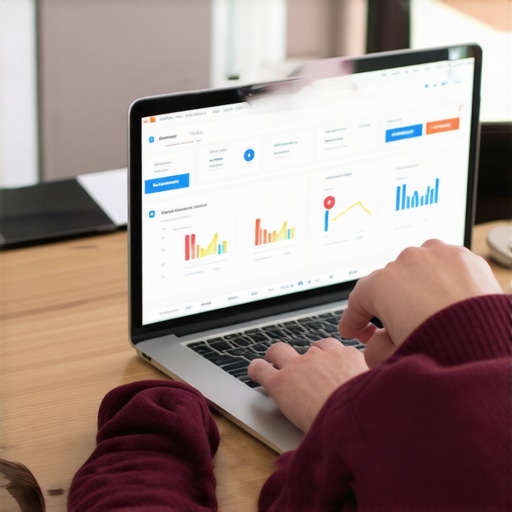
Over the years, I’ve come to realize that mastering local map rankings isn’t solely about ticking technical boxes or chasing the latest algorithm updates—it’s about understanding the subtle signals that Google truly values. One of the most eye-opening lessons I learned was the power of consistent, genuine customer reviews. Early on, I underestimated how much authentic feedback could propel a business into the top map pack, especially when combined with active engagement and strategic review collection. Recognizing that reviews are trust signals that Google’s algorithm prioritizes was a game-changer, influencing my entire approach to local SEO and map optimization.
The Lessons That Changed My Approach to Local Visibility
- Trust beats quantity: Not all reviews are equal. Genuine, positive feedback from real customers carries more weight than artificially inflated review counts.
- Active response matters: Engaging with reviews—thanking positive ones and addressing negative feedback—builds trust signals that Google notices and rewards.
- Timing is key: Asking for reviews immediately after service ensures recency and relevance, boosting your profile’s credibility and ranking potential.
- Quality over shortcuts: Avoid shortcuts like incentivized reviews; authentic feedback enhances reputation and maps ranking health.
- Use tools effectively: Investing in review management platforms streamlines collection and monitoring, keeping your profile active and competitive.
Applying these insights transformed our local presence. By deeply understanding the signals that Google actually values—especially customer trust—we became more strategic and responsive in our efforts. If you’re struggling with stagnant rankings or poor lead quality, consider revisiting your review strategy with these lessons in mind. For a comprehensive understanding of other critical map signals, explore these local SEO metrics.
My Top Tools to Keep Your Local Map Strategy Sharp
- BrightLocal: An indispensable tool for tracking review performance, keyword fluctuations, and competitive insights. I trust it because of its detailed reporting and user-friendly interface.
- Google Nearby Forest: A behind-the-scenes plugin that maps out your immediate competition based on recent updates, helping me adapt quickly when algorithms shift.
- BirdEye & Podium: These platforms automate review collection and provide real-time feedback monitoring, saving time and maintaining momentum.
- Local SEO Analytics Tools: Regularly assessing local signals like proximity, relevance, and review velocity ensures your map rankings remain robust amidst 2026’s evolving algorithm landscape.
Personally, integrating these tools into my workflow has been essential. They help me stay proactive, identify emerging opportunities, and respond to changes before they impact rankings. If you want to keep your local map visibility resilient, these resources are worth exploring.
Seize Control of Your Local Map Destiny
The future of local marketing is dynamic and fiercely competitive. The key to sustained success lies in embracing subtle signals, engaging authentically with your audience, and continuously refining your strategies. Remember, the insights you gain today can set the foundation for tomorrow’s dominance in your neighborhood’s map pack. So, take action now—review your review collection processes, leverage the right tools, and stay committed to building genuine trust signals that Google will reward in 2026 and beyond.
What’s your biggest challenge when it comes to improving your map lead quality? Share your experience below and let’s learn together!