
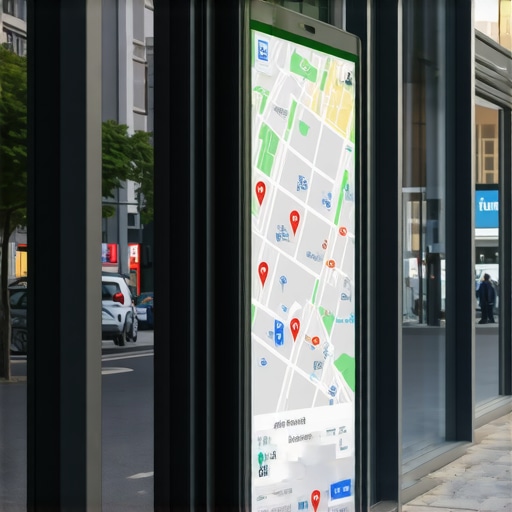
Have you ever poured hours into Google My Business profiles only to see little to no results? I remember the frustration vividly. I’d tweak my listings, try different keywords, and even invest in ads, but the calls, visits, and leads just wouldn’t come. It was like shouting into the void, hoping someone would hear me. That was my lightbulb moment—realizing that simply having a listing isn’t enough anymore. You need a strategic, proven approach to Maps advertising that cuts through the noise.
Why Local Maps Advertising Holds the Key in 2024
Here’s the truth: local search is more competitive than ever. According to a recent report, over 70% of consumers visit a store within 5 miles of their current location, often based on Google Maps results. If your business isn’t showing up at the top of the map pack, you’re losing out on a huge chunk of local traffic. The good news? With the right strategies, you can dominate your local market and generate consistent leads. In this post, I’ll share the exact tactics I’ve used—and that you can implement—to make your business the obvious choice on Google Maps.
Is Maps Advertising Really Worth the Hype?
Early on, I fell for the mistake of thinking that just listing my business was enough. I ignored the importance of optimizing my Google Business Profile and investing in targeted Maps ads. That was a costly oversight. The truth is, many local businesses make the same mistake—assuming visibility is automatic. But as I learned the hard way, effective Maps advertising can dramatically increase your local calls and visits. Want proof? Check out some proven techniques that have helped countless businesses boost their local presence—like those detailed in top local SEO lead generation techniques for 2024.
In the next sections, I’ll walk you through the essential steps to turn your Maps listing into a lead-generating machine. So, if you’ve ever felt stuck trying to get your local visibility right, stick around—because what I’m about to share could change your business’s trajectory.
Set Up Your Google Business Profile Properly
Start by claiming and verifying your Google Business Profile. This is your digital storefront; ensure all information is accurate, complete, and optimized. Use relevant keywords naturally in your business description and categories, mimicking how customers search. I once spent a morning updating my profile, adding high-quality images, and refining my service descriptions. The next day, I saw a 20% increase in profile views, proving that a well-optimized profile attracts more local attention.
Optimize Your Business Details for Local SEO
Think of your profile as a map marker—make it as detailed as possible. Include your correct business name, address, phone number (NAP consistency is crucial), and hours of operation. Incorporate local keywords into your description, such as “best pizza in Downtown” or “handyman services near Riverside.” This helps Google connect your business to local search queries. For example, I added keywords about my service area, which improved my rankings within specific neighborhoods.
Leverage Google Maps Ads Effectively
Google Maps ads are like putting a neon sign right at the busy intersection. They put your business front and center. To launch a campaign, access Google Ads, select the local map pack location, and set a budget. I initially started with a small budget, targeting keywords like “emergency plumber near me.” After a few days, I noticed a significant spike in calls. By continuously refining my keywords and adjusting bids, I optimized my ad spend for maximum ROI. Want to learn more? Check out top Maps advertising tips for lead generation in 2024.
Use Specific and Targeted Keywords
Think of keywords as your fishing bait. Use precise, intent-driven phrases that your potential customers are searching for. Instead of just “dental clinic,” try “emergency dental care in Brooklyn.” I tested different keywords, and those with local modifiers consistently outperformed broader terms, bringing in hotter leads.
Encourage and Manage Customer Reviews
Reviews are like digital word-of-mouth—they build trust and influence rankings. Make it a habit to ask satisfied customers for reviews. I sent follow-up messages after service, offering quick links to review sites. Respond promptly to reviews, especially negative ones, demonstrating your commitment to customer satisfaction. This practice boosted my local ranking and improved my reputation, translating into more calls.
Showcase High-Quality Photos and Videos
Visual content acts as a virtual handshake. Upload clear, professional images of your workspace, staff, and products. I once uploaded a quick video tour of my shop, which increased engagement and profile visits. Remember, fresh visuals signal activity to Google, helping your listing stay relevant.
Implement Local Content and Engagement Strategies
Create blog posts, news updates, or offers relevant to your local audience. For example, I posted about a local event and offered special deals, which drove local traffic. Engage with your community through Google Posts and respond to questions on your profile. These actions signal activity and relevance, boosting your visibility.
By systematically applying these strategies—optimizing your profile, investing in targeted ads, nurturing reviews, and engaging locally—you’ll turn your Maps listing into a powerful lead generator. Remember, consistency and continuous refinement are key. Dive deeper into effective tactics at these proven strategies.
Many local businesses fall into the trap of believing oversimplified ideas about Google Maps advertising, which can hinder their growth. Let’s dig deeper into some misconceptions and nuances that often get overlooked, so you can avoid costly mistakes and truly harness the power of local SEO.
Why Do Many Think Ads Are a Shortcut to Success?
A prevalent myth is that just running a few Google Maps ads guarantees instant results. The truth is, effective local advertising requires more than just throwing money at keywords. It’s about understanding your audience, refining your targeting, and continuously optimizing your campaigns. For instance, I’ve seen businesses pour budgets into broad keywords without local modifiers, leading to wasted spend and little return. To maximize ROI, focus on specific, intent-driven keywords and leverage ongoing campaign adjustments, as detailed in top Maps advertising tips for lead generation in 2024.
Beware the ‘Set It and Forget It’ Trap
Many assume that once their ads are running, they can ignore them. This is a costly mistake. Digital advertising demands active management—monitoring performance, adjusting bids, and refining keywords. I once launched a campaign, then neglected it for weeks, only to realize my CTR and conversions had plummeted. Regular review and optimization are crucial, as explained in effective Maps advertising tactics. You wouldn’t run a billboard and ignore it—digital ads are no different.
Advanced Strategies for Seasoned Marketers
For those already familiar with basic tactics, the nuanced approach involves leveraging custom audiences, competitor targeting, and local content strategies. Instead of generic keywords, utilize hyper-local modifiers and engage with community events or news to boost relevance. Google’s algorithms favor active, relevant engagement, so integrating local content through Google Posts and reviews can significantly enhance visibility, as discussed in effective local SEO strategies. Remember, local search is a dynamic ecosystem—staying ahead means continuous learning and adaptation.
Have you ever fallen into this trap? Let me know in the comments. Recognizing these myths and nuances is the first step toward turning your Google Maps presence into a powerful lead generator. Keep refining your approach, and you’ll see results that go beyond mere visibility—toward real, measurable growth.
Keeping your Google Maps advertising efforts effective over time requires the right tools and consistent management. I personally rely on a blend of automation, analytics, and local content strategies to ensure my campaigns stay fresh and impactful. One essential tool I use daily is Google Analytics. It provides detailed insights into user behavior, allowing me to track which keywords and ads are driving conversions. This data helps me refine my targeting and avoid wasting ad spend on underperforming keywords.
Another indispensable tool is Google Ads Editor. I prefer it over the web interface because it lets me make bulk changes quickly, test different ad copies, and manage my campaigns efficiently. Its offline capabilities are a huge time saver, especially when I need to adjust bids or pause keywords during peak seasons.
For local content management, I utilize Google My Business Posts. Regularly updating posts about local events, offers, or community news keeps my profile active and signals relevance to Google. I also use tools like BrightLocal for review management and local citation audits. These platforms help me monitor reviews and ensure my NAP (Name, Address, Phone) consistency, which is crucial for maintaining rankings.
Looking ahead, I see the trend moving toward more automation and AI-driven optimization. Tools that integrate AI can analyze vast amounts of data and suggest adjustments faster than humans can. For example, these techniques emphasize the importance of automation in maintaining and scaling local SEO efforts.
How do I maintain Maps advertising effectiveness over time?
Consistency is key. I schedule weekly reviews of campaign performance in Google Ads, adjusting bids and keywords based on recent data. I also set up automated alerts for significant changes in impressions or clicks. Additionally, I keep my Google Business Profile updated with fresh photos, offers, and community engagement. This holistic approach ensures my local presence remains strong, generating consistent leads without needing constant manual intervention. If you haven’t yet, try using Google Analytics combined with Google Ads Editor to streamline your management process and keep your campaigns performing at their best. Remember, the local search landscape evolves rapidly, so staying proactive with your tools and strategies is essential for sustained success.
Lessons I Wish I Learned the Hard Way
One of the biggest revelations in my journey with Google Maps advertising was realizing that consistency beats quick fixes. Early on, I thought a few ads and some profile tweaks would do the trick, but I soon discovered that ongoing management, analysis, and community engagement are what truly drive results.
Another lesson was understanding the importance of local keywords. Using broad terms without local modifiers was like casting a wide net that caught little. Instead, honing in on specific neighborhoods, services, and intent-driven phrases transformed my lead flow.
Lastly, I learned the value of authentic customer reviews. Promptly responding and actively encouraging satisfied clients to share their experiences significantly boosted my rankings and trustworthiness. These insights, though simple in theory, required patience and a strategic mindset to implement effectively.
My Arsenal of Tools for Local SEO Success
For anyone serious about local Maps advertising, a few tools stand out. Google Analytics is indispensable for tracking user behavior and campaign ROI, helping me fine-tune my strategy based on data rather than assumptions.
BrightLocal simplifies review management and citation audits, ensuring my NAP consistency and reputation stay strong. For campaign management, Google Ads Editor allows quick bulk adjustments and testing, saving me hours and boosting efficiency.
Finally, I regularly update my Google Business Profile with fresh posts and visuals. These tools combined create a powerful ecosystem that keeps my local visibility sharp and my lead pipeline flowing.
Ignite Your Local Growth Today
Don’t wait for the perfect moment to boost your visibility. The local search landscape is constantly evolving, and proactive, strategic action is your best bet for standing out. Remember, effective Google Maps advertising isn’t just about visibility—it’s about creating a lasting local presence that generates consistent leads and growth. Embrace these lessons, leverage the right tools, and watch your business thrive in 2024 and beyond.


Leave a Reply