
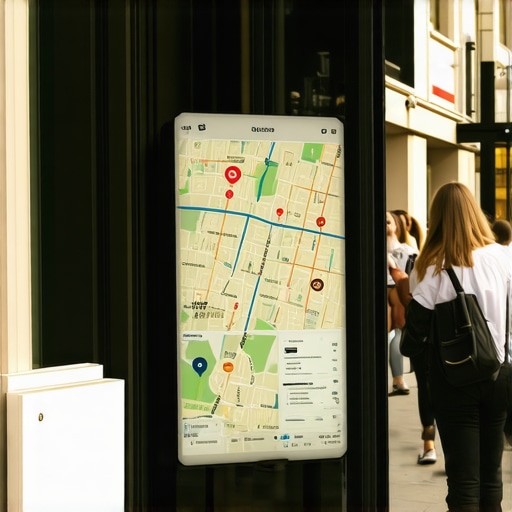
Have you ever poured time and money into local advertising, only to see minimal results? I remember the frustration vividly. I launched a few Google My Business profiles and listed my services in directories, hoping for a surge in local calls. But the phone remained eerily silent. It was a lightbulb moment when I realized I wasn’t leveraging the full potential of local maps and directory advertising. That mistake cost me valuable leads and lost opportunities. Today, I want to share what I learned and how you can avoid the same pitfalls.
Why Local Maps & Directory Ads Are Game-Changers for Lead Generation
In my early days, I underestimated how powerful local maps and directory listings can be. It’s not just about popping up on Google Maps; it’s about dominating your local market. According to recent studies, 78% of local mobile searches lead to an offline purchase within a day. That’s a staggering statistic and a clear sign that if you’re not optimizing your presence on these platforms, you’re missing out on a flood of potential clients. Proper strategy can put your business right in front of people actively seeking your services, often when they’re ready to buy.
But here’s the tricky part: many local businesses make simple mistakes that sabotage their efforts. Early on, I focused solely on getting listed and neglected to optimize my profile with keywords, reviews, and accurate info. I also overlooked the importance of consistent NAP (Name, Address, Phone Number) data across all listings. These oversights limited my visibility and, frankly, my growth. If you’ve faced similar struggles—struggling to get calls or online visibility—know that this is a common problem. The good news? There’s a proven way to turn this around.
Is Relying on Maps & Directory Ads Really Worth It?
Initially, I doubted whether these platforms could really make a difference. I thought, “Is this just hype?” I made the mistake of thinking that simply being listed was enough. Spoiler alert: it’s not. Effective maps and directory advertising require a targeted approach, ongoing optimization, and strategic placement. When I started investing in these tactics—like claiming and optimizing my Google Business Profile and leveraging top directory listings—I saw my calls and visibility skyrocket. If you want to learn what works and what doesn’t, I recommend checking out this comprehensive guide.
Now, I’ll walk you through the practical steps that transformed my local lead game. Whether you’re just starting out or trying to sharpen your existing strategy, these insights can make a real difference. Ready to get more local leads? Let’s dive in.
Claim and Optimize Your Profiles Immediately
Start by claiming your Google Business Profile without delay. I remember a time when I overlooked this step and missed out on prime local traffic. Once I claimed my listing, I immediately filled out every detail: hours of operation, services, and high-quality photos. This is like setting up your shop window—make it attractive and complete. Use targeted keywords naturally in your business description to boost visibility. Don’t forget consistent NAP data across all directories to build trust with search engines and customers.
Use Local Keywords to Make Your Business Findable
Choosing the right keywords is crucial. I once ranked poorly because I only used generic terms like “plumber.” Instead, I now focus on specific phrases like “emergency plumber in downtown Austin.” Use tools like Google Keyword Planner or Ubersuggest to discover high-intent local keywords. Incorporate these into your profile descriptions, services, and posts. This step is like tuning your radio station to the right frequency—only then will your message be heard clearly by local customers.
Leverage Reviews for Trust and Visibility
Reviews are social proof that can catapult your local visibility. I made a mistake early on by ignoring review requests. After actively asking satisfied clients for reviews and responding to each one, I saw a significant uptick in calls. Encourage reviews by providing excellent service and gently prompting happy clients. Respond to reviews professionally; it’s like having a friendly chat that builds rapport and signals activity to search engines. Remember, a strong review profile can be the difference between a customer choosing you or your competitor.
Get Listed in Top Local Directories
Don’t settle for just Google—get listed in niche directories relevant to your industry. I initially only focused on Google My Business but later expanded to industry-specific sites like Yelp, Angi, and industry associations. Use this guide to identify high-impact directories. Keep your info consistent across all listings; inconsistency is like having a broken sign—confusing for customers and search engines alike.
Run Local Map & Directory Ads Strategically
Paid advertising on local maps can turbocharge your visibility. I experimented with small budget campaigns targeting specific zip codes, and the results were remarkable. Use location-specific keywords and compelling calls-to-action. Track and analyze your ad performance regularly; this is like adjusting your sails to catch the wind better. For a detailed blueprint, check out this resource.
Maintain Consistency and Monitor Progress
Consistency is your secret weapon. Regularly update your profiles, add new photos, post special offers, and respond to reviews. I set monthly reminders to audit my listings and ensure NAP accuracy. Use tools like Moz Local or BrightLocal for monitoring your citation health. Think of it as tending a garden—regular care yields the best harvest. Over time, these efforts compound, resulting in increased calls and leads that fuel your growth.
While many entrepreneurs focus on claiming listings and filling out profiles, they often miss a critical nuance: the importance of maintaining ongoing optimization and understanding the myths surrounding local advertising. A common misconception is that once you optimize your Google Business Profile and get listed, your work is done. However, in my experience, the most successful local marketers continuously refine their strategies based on data and evolving algorithms. This means regularly updating your profile, responding to reviews, and monitoring your competitors’ moves. Simply put, local map and directory advertising is a dynamic process—not a set-and-forget tactic.
Another trap I see frequently is the oversimplification of keyword strategy. Many believe that including broad, high-volume keywords will automatically drive traffic. In reality, targeting hyper-specific, intent-driven keywords yields far better results. For instance, instead of generic terms like “plumber,” it’s more effective to optimize for phrases like “emergency plumber in downtown Austin,” which attract ready-to-act clients. This precision approach helps you stand out in a crowded local landscape and avoids wasting ad spend on irrelevant searches. For a deep dive into effective keyword targeting, consider reviewing this guide.
Why do many local ads fail to deliver consistent leads?
The answer often lies in neglecting the review ecosystem and local signals. Reviews are social proof that influence both search rankings and customer decisions. I made the mistake of ignoring review management, which hampered my visibility. When I started actively requesting reviews and responding thoughtfully, my rankings improved significantly. This is because review signals are a major ranking factor—Google considers review quantity and quality when determining local relevance. Additionally, consistent NAP (Name, Address, Phone Number) data across all listings helps build trust with search engines, boosting your local prominence. According to Moz Local’s recent studies, citation consistency can increase local rankings by up to 30%. Always audit your citations regularly to prevent discrepancies that can undermine your efforts.
Finally, many overlook the importance of local ad timing and budget optimization. Running ads at the wrong times or with unrefined targeting can drain budgets without results. Use data from your Google Analytics and Google Ads insights to refine your campaigns continually. Remember, effective local advertising is about patience, testing, and data-driven adjustments—not just setting and forgetting. If you want to master these advanced strategies, check out this comprehensive resource. Have you ever fallen into this trap? Let me know in the comments!” ,
Maintaining the momentum of your local map and directory advertising efforts is crucial for sustained lead generation. Over time, even the best strategies can lose their edge if not properly managed. To ensure your business remains visible and competitive, I recommend leveraging specific tools and methods that streamline ongoing optimization and monitoring.
Tools I Trust for Consistent Local SEO Performance
One tool I rely on heavily is BrightLocal. This platform provides comprehensive citation tracking, review monitoring, and local SEO audits. I use it weekly to identify any inconsistencies in my NAP data across multiple directories, ensuring search engines trust my listings. BrightLocal’s audit reports help me spot duplicate or outdated listings that could harm my rankings. Regularly updating and cleaning citations is essential — think of it as giving your online storefront a fresh coat of paint each month.
For review management, Reputation.com offers powerful automation. I set up alerts to notify me when new reviews are posted, enabling me to respond promptly. This quick engagement shows customers I care and boosts my local rankings. Consistent review responses also foster trust and encourage more clients to leave feedback, creating a virtuous cycle that sustains visibility.
How do I keep my maps and directory ads working long-term?
Beyond tools, I regularly update my Google Business Profile and directory listings with fresh photos, special offers, and relevant keywords. I schedule monthly audits to review performance metrics and adjust ad spend accordingly. Monitoring competitors’ listings also provides insights into emerging trends or gaps I can exploit. For example, I noticed a competitor’s reviews started declining, prompting me to ramp up my review acquisition efforts.
Looking ahead, I predict that local SEO will become even more dynamic, with AI-driven tools providing real-time optimization suggestions. Staying ahead requires integrating these advanced technologies into your routine, much like I did with effective local SEO tips.
Time to implement a routine for sustained success
Start by choosing a reliable platform like BrightLocal, and set a recurring schedule to audit your citations and reviews. Automate alerts for new reviews and respond promptly. Keep your profiles fresh with quarterly updates, and study competitors’ strategies regularly. This disciplined approach ensures your local map and directory advertising efforts continue to generate leads long-term.
If you haven’t already, try integrating citation monitoring with BrightLocal and review management with Reputation.com today. These tools make it easier to keep your local presence optimized, giving you peace of mind and more leads.
The Hardest Lesson I Learned About Local Maps and Directory Ads
One of my biggest realizations was that simply claiming listings isn’t enough; ongoing optimization is essential. I used to set up profiles and forget about them, only to watch my competitors outshine me. The lightbulb moment came when I understood that regular updates, review management, and precise keyword targeting transform your presence from invisible to irresistible.
3 Myths About Local Advertising That Held Me Back
I used to believe that high-volume, generic keywords would attract all the traffic I needed. Turns out, hyper-specific, intent-driven keywords are what truly drive local leads. I also thought that once my listing was optimized, my work was done—nothing could be further from the truth. Consistent monitoring and adaptation are what keep your business in front of hungry local customers.
What Experts Won’t Tell You About Maps and Directory Strategies
Many overlook the power of review signals and citation consistency. I learned that actively managing reviews and ensuring your NAP data matches across all platforms boosts your rankings significantly. It’s not just about being listed—it’s about being trusted and easily findable at every touchpoint, which requires dedication and a strategic approach.
Curated Resources to Elevate Your Local Lead Game
BrightLocal is my go-to for citation tracking and review monitoring. It simplifies keeping my listings accurate and reviews positive, which directly impacts my visibility. Reputation.com helps me automate review responses, saving time and maintaining strong customer relationships. For learning advanced strategies, I recommend this in-depth guide. These tools and resources form the backbone of my long-term success.
Your Turn to Try
Mastering local maps and directory advertising is a continuous journey. By implementing consistent updates, strategic keyword use, and active review management, you can turn your local presence into a lead-generating powerhouse. Remember, the effort you put in today sets the foundation for tomorrow’s growth. Don’t wait—start refining your local strategy now and watch your business thrive in 2024.

Leave a Reply